
 Sex Toys For Men
  Sex Toys for Women
  Sex Toys for Couples
  Anal toys
  Fit it
 Sex Ed
 Deals
Deals About Us
 Contact Us
 Jan/03/2024
 2757
2757 6 min read
 Inclusive Sex Toys: Choosing by Anatomy, Ability & Access Needs


Our articles may contain affiliate links - if you enjoy our content, support us by shopping through them! We earn a small commission at no extra cost to you. Learn more here.
Our articles may contain affiliate links - if you enjoy our content, support us by shopping through them! We earn a small commission at no extra cost to you. Learn more here.
Inclusive sex toys are not about putting a special label on pleasure. They are about choosing products around a person’s anatomy, mobility, grip strength, sensation, positioning needs and preferred type of stimulation instead of assuming one design works for everyone.
That matters for disabled people, people with chronic mobility limitations, trans and nonbinary users, older adults and anyone whose body does not match the “standard user” imagined by a product designer. The best toy is the one you can control comfortably, position safely and enjoy on your own terms.
Choose Sex Toys by Anatomy and Sensation, Not Gender
Many sex toys are still marketed as “for women” or “for men,” but bodies and preferences are more varied than those labels suggest. A wand vibrator, for example, can provide external vibration on many erogenous zones regardless of gender.
The same logic applies across the category. Think about what you want the toy to do: external vibration, internal pressure, suction-style stimulation, penile stimulation, prostate stimulation, anal fullness, hands-free wear or partner-controlled play.
External Vibrators Can Be Highly Versatile
External toys are useful when you want stimulation without insertion. Wands, bullets and other vibrators can be positioned on the vulva, penis, perineum, nipples or other areas that feel good.
If grip strength is limited, look at the weight, handle shape, button size and whether the toy can be positioned with a cushion, mount or partner assistance rather than focusing only on motor strength.
Anal Toys Require Anal-Safe Design
Anal pleasure is not gender-specific, but the safety requirements are specific. Any toy inserted into the anus should be designed by the manufacturer for anal use and have a secure external base, handle or other retention feature that prevents it from slipping completely inside.
If anal play is part of your routine, compare butt plugs, anal vibrators and other anal toys by maximum diameter, insertable length, taper, firmness and external control rather than by gendered marketing.
Gender-Affirming Use Can Matter Too
Sex toys can also support gender expression and comfort. Some trans, nonbinary and gender-nonconforming people use packers, strokers, external vibrators, harness systems or other products in ways that feel affirming.
Our gender-neutral sex toy guide goes deeper into choosing products by anatomy and sensation instead of identity labels.
Accessible Sex Toys for Disabled People
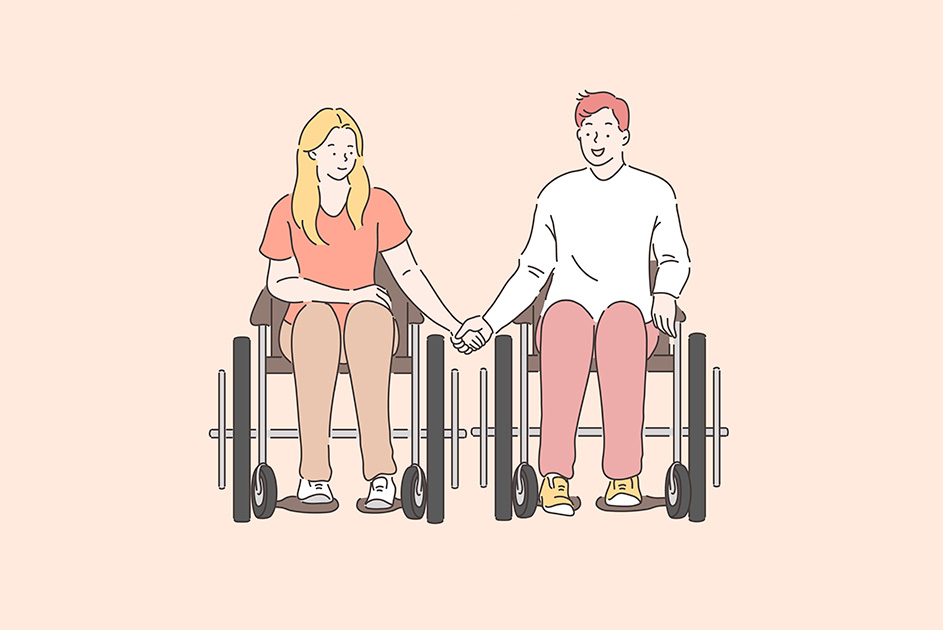
There is no single “disabled user,” so accessibility needs can be very different. Limited hand strength, tremors, pain, fatigue, reduced range of motion, reduced genital sensation and sensory sensitivity all affect what makes a toy easier or harder to use.
Planned Parenthood notes that some people with disabilities or limited mobility use sex toys to make masturbation, partnered sex or certain positions easier or possible. The important part is matching the product to the individual’s needs rather than assuming that stronger or more automated is always better.
Hands-Free and Remote Control Options
If holding a toy is tiring or difficult, hands-free designs can reduce effort. Wearable toys, mounts and some remote-control vibrators can keep stimulation in place without continuous gripping.
App-controlled products can also move the controls to a phone, but check whether tapping a small touchscreen is actually easier for you. A physical remote with large buttons may be more accessible for some users.
Consider Button Size and Control Simplicity
More functions do not always mean better accessibility. If dexterity is limited, a toy with a few large, clearly separated controls may be easier to use than one that requires repeated multi-button sequences.
Before buying, check whether settings cycle in one direction, whether the toy remembers the last mode and whether it can be turned off quickly. Easy stop control matters during both solo and partnered use.
Weight, Handles and Reach
A powerful wand may feel great but still be impractical if it is heavy. Long handles, curved handles and lighter housings can reduce wrist strain and make it easier to reach the body from different positions.
For internal toys, a substantial external handle can make positioning and removal easier. If reach is limited, avoid designs that become slippery or difficult to grasp once lubricant is added.
What if Sensation Is Reduced?
Reduced sensation can change how pressure, vibration and temperature feel. That does not mean you should automatically choose the strongest possible setting.
Start with moderate stimulation and check the skin regularly, especially if you cannot reliably feel pressure, friction, heat or cold. Stronger stimulation can be useful for some people, but feedback from your body may be less obvious.
Use Visual Checks and Time Checks
If sensation is impaired, look for redness, swelling, pinching or pressure marks instead of relying only on discomfort as your warning sign. A timer can also help prevent a device from staying in one position longer than intended.
For any heated product, follow the manufacturer’s temperature and duration instructions exactly. Do not assume that reduced sensation makes higher heat appropriate.
What if Sensation Is Heightened?
For sensory sensitivity, the goal may be the opposite: gentle stimulation with precise control. Start at the lowest setting, use indirect contact if direct stimulation feels overwhelming and choose shapes that let you control pressure easily.
Lubricant can reduce friction, but compatibility depends on the toy and lubricant. Water-based lubricant is a broadly compatible starting point for many products. Always follow the manufacturer’s material and care instructions.
Positioning Aids and Sex Furniture
Positioning can matter as much as the toy itself. Wedges, supportive cushions and purpose-built sex furniture can reduce strain and make a position easier to maintain.
Choose support that feels stable and does not restrict breathing, circulation or movement. If you need assistance moving into or out of a position, plan that before play begins so stopping is easy.
Partner and Caregiver Involvement Requires Clear Consent
A trusted partner can help hold, position or control a toy if everyone involved wants that. If a caregiver is part of intimate assistance, boundaries, privacy and consent should be discussed explicitly rather than assumed.
The person receiving stimulation should have an easy way to pause or stop the activity. With app-controlled or remote products, keep local control available whenever possible.
Accessible Sex Toy Shopping Checklist
- Controls: Are buttons large enough and easy to reach?
- Weight: Can you hold or position the toy for as long as you intend to use it?
- Grip: Does the handle stay secure with lubricant?
- Power: Can you recharge or replace batteries without difficult fine-motor tasks?
- Range: Does the shape work with your available range of motion?
- Settings: Can you start low and adjust in small steps?
- Cleaning: Can you comfortably clean every part according to the manufacturer’s instructions?
- Stop control: Can you turn it off quickly?
💡 PRO TIP: Accessibility is personal. Before buying, imagine the entire session from opening the packaging and charging the toy to positioning, changing settings, stopping and cleaning it afterward. A feature only helps if you can actually use it comfortably.
Inclusive Pleasure Is About More Choice
The best direction for inclusive design is not one universal toy. It is more products with different shapes, controls, weights, mounts and ways to operate them.
Whether you are choosing a wearable vibrator, couples toy, masturbator or positioning aid, focus on the combination of anatomy, sensation, mobility and control that works for you.
FAQs
Yes. Many disabled people use sex toys for solo or partnered pleasure. The best choice depends on mobility, sensation, grip, positioning, fatigue and the exact type of stimulation wanted.
Useful features can include large controls, light weight, ergonomic handles, remote control, hands-free positioning, adjustable intensity, simple charging and an easy way to stop the toy. Different users will prioritize different features.
Sometimes. Moving controls to a phone can reduce reaching, but touchscreens can also be difficult for people with tremors, limited dexterity or visual impairments. Compare the app with the physical remote before deciding.
Choose adjustable stimulation and start conservatively. Because pain, friction or heat may be harder to detect, use visual skin checks, time checks and the manufacturer’s limits instead of simply increasing intensity.
No. Many products can be chosen by anatomy, stimulation type and intended use rather than gender. What matters most is whether the shape, controls and sensation work for your body.
 Previous article