
 Sex Toys For Men
  Sex Toys for Women
  Sex Toys for Couples
  Anal toys
  Fit it
 Sex Ed
 Deals
Deals About Us
 Contact Us
 Jun/12/2023
 2854
2854 8 min read
 How to Close the Orgasm Gap: Evidence-Based Pleasure Tips

Our articles may contain affiliate links - if you enjoy our content, support us by shopping through them! We earn a small commission at no extra cost to you. Learn more here.
Our articles may contain affiliate links - if you enjoy our content, support us by shopping through them! We earn a small commission at no extra cost to you. Learn more here.
The orgasm gap describes a persistent difference in how often different groups report reaching orgasm during partnered sex, especially the gap between heterosexual men and heterosexual women. It is not evidence that women’s bodies are inherently harder to satisfy. Research points instead to sexual practices, expectations, communication and whether clitoral stimulation receives enough attention.
What Is the Orgasm Gap?
In a large U.S. study of 52,588 adults, 95% of heterosexual men said they usually or always orgasmed when sexually intimate, compared with 65% of heterosexual women. The same study found different rates across sexual orientations, including 86% for lesbian women and 66% for bisexual women. You can read the study abstract on PubMed.
Those percentages describe a population-level pattern, not what every couple experiences. An individual heterosexual couple may have no orgasm gap at all, while two people of any gender can experience unequal pleasure or orgasm frequency.
Why Does the Orgasm Gap Happen?
1. Penetration Is Often Treated as the Main Event
Many sexual scripts still define “real sex” as penis-in-vagina intercourse, with oral sex, manual stimulation and toys treated as extras. That structure tends to center the type of stimulation that most reliably leads to orgasm for many men while giving less time to the stimulation many women report needing.
2. Clitoral Stimulation Is Often Underused
A nationally representative study of 1,055 U.S. women found that only 18.4% said intercourse alone was sufficient for orgasm. Another 36.6% said clitoral stimulation was necessary during intercourse, while 36% said it made their orgasms feel better. Read the PubMed summary.
That does not mean every sexual encounter needs direct clitoral touch. It does mean that a penetration-only script leaves out a highly reliable route to pleasure for many people.
3. Orgasm Can Be Treated as the Man’s Finish Line
In some heterosexual scripts, sex begins with arousal, progresses to penetration and ends when the male partner ejaculates. If the other partner has not had enough time or the type of stimulation they need, their orgasm becomes optional by default.
4. Communication Can Be Unequal
People may worry about hurting a partner’s feelings, appearing demanding or taking too long. Partners may also assume they already know what works. That combination encourages performance and guessing rather than feedback.
5. Health and Medication Can Affect Orgasm
Antidepressants and other medications, menopause-related changes, pelvic pain, hormonal factors, chronic illness, stress and mental health can all influence arousal and orgasm. Not every orgasm difficulty is solved by better technique.
How to Close the Orgasm Gap
1. Broaden the Definition of Sex
Oral sex, hand stimulation, mutual masturbation, toys and grinding do not need to be “foreplay” that ends when penetration starts. They can be central parts of sex in their own right.
2. Make Clitoral Stimulation Easy to Continue
Use fingers, oral stimulation or a vibrator before, during or after penetration. If a particular rhythm works, keep it consistent instead of changing technique as orgasm approaches.
3. Ask Specific Questions
“More pressure or less?” and “Faster or slower?” are more useful than “Is that good?” Specific questions make it easier for a partner to guide you without delivering a full tutorial mid-session.
4. Let the Receiving Partner Demonstrate
Mutual masturbation or guided touch can show pressure, rhythm and location more clearly than words alone. Watching how a partner touches themselves can remove a lot of guesswork.
5. Give Arousal Enough Time
Some people need more time before direct genital stimulation or penetration feels good. Longer is not automatically better, but rushing because one partner is already fully aroused can create an uneven experience.
💡 PRO TIP: Do not make orgasm a deadline. Focus on the kinds of touch that feel good, keep communication open and let the receiving partner define what satisfying sex means for them.
Sexual Techniques That Research Supports
Research on women’s pleasure has identified several ways people make vaginal penetration more pleasurable. These include angling the pelvis, rocking so the base of a penis or toy maintains clitoral contact, using shallower penetration and pairing penetration with clitoral stimulation.
In a nationally representative U.S. study, 69.7% of women reported that pairing clitoral stimulation with penetration either made penetration more pleasurable or helped them orgasm more often. The useful lesson is not that everyone needs the same technique. It is that penetration can be adjusted around pleasure rather than treated as a fixed routine.
Toys That Can Help Without Turning Pleasure Into a Competition
Vibrators
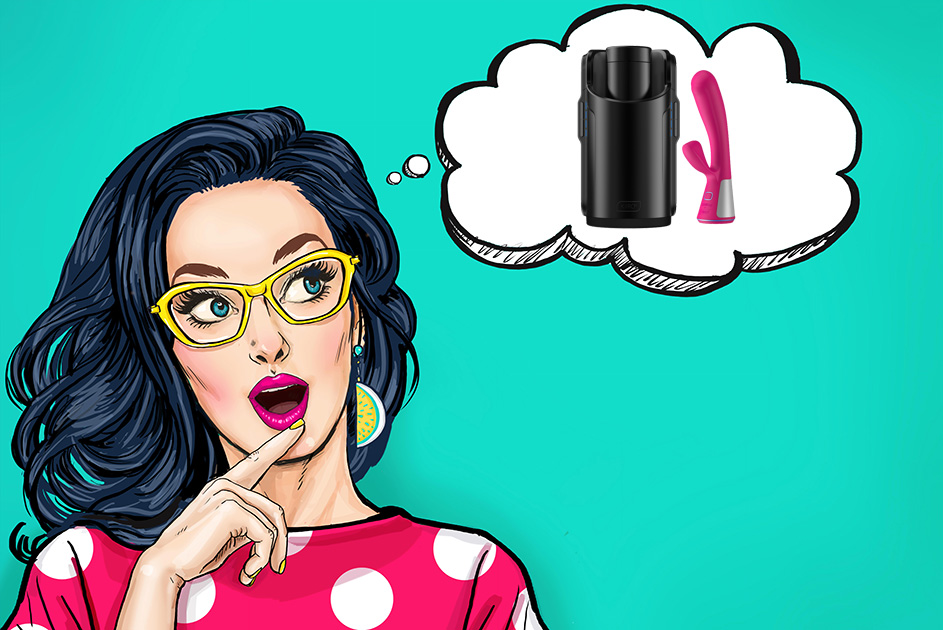
A vibrator can provide consistent external stimulation before, during or after penetration. Broad wands and focused clitoral toys create different sensations, so choose based on the receiving partner’s preferences rather than power alone.
Couples’ Toys
Sex toys for couples can add clitoral, penile or shared stimulation while both partners remain involved. A wearable design such as the We-Vibe Chorus is one example of a toy intended for partnered use.
Dildos
Dildos can provide penetration while hands, mouths or another toy focus on external stimulation. Depth and size are optional variables, not automatic routes to orgasm.
Anal Toys
Anal toys may be enjoyable for people who want that type of stimulation, but they are not a universal solution to the orgasm gap. Use only toys intended for anal insertion with secure external retention and plenty of compatible lubricant.
Solo Toys for Learning What Works
Solo exploration can help someone understand their own arousal and communicate it more easily. A wand such as the Magic Wand Rechargeable offers broad external vibration, while a masturbator such as the Tenga Flip Zero can help another partner explore their own preferred pressure and rhythm. The goal is not to make both people orgasm in exactly the same way. It is to make both partners’ pleasure matter.
What Does Not Close the Orgasm Gap
Faking Orgasm
Faking can reinforce a technique that is not actually working. If you do not want to explain everything in the moment, you can still say, “I like this, but I’m not going to finish tonight,” or talk about preferences later.
Blaming the Person Who Does Not Orgasm
Some people orgasm easily and others do not. The gap becomes a relationship problem when one person’s pleasure is routinely deprioritized, not simply because orgasms happen at different frequencies.
Turning Every Encounter Into an Orgasm Test
Pressure can make orgasm harder. Closing the gap means equal attention to pleasure, not creating a scorecard where every sexual encounter must end with matching outcomes.
Can the Orgasm Gap Exist in Same-Sex Relationships?
Unequal orgasm frequency can happen in any relationship. However, the phrase “orgasm gap” is most often used to describe population-level differences by gender and sexual orientation. The 2017 U.S. study found heterosexual women reported orgasming less frequently than lesbian women, which suggests anatomy alone does not explain the heterosexual gap.
What If You Struggle to Orgasm Even With Good Stimulation?
Difficulty reaching orgasm can be influenced by medications, hormonal changes, pain, anxiety, trauma, relationship factors, medical conditions and individual variation. If the difficulty is new, persistent or distressing, consider discussing it with a healthcare professional or qualified sex therapist.
You are not failing at sex because orgasm takes a long time or does not happen every time. Pleasure can still be meaningful without orgasm, and treatment is available when orgasm difficulties are causing distress.
Closing the Gap Is About Equal Attention to Pleasure
The best way to close the orgasm gap is not a secret position or a mandatory toy. It is a sexual script where both people’s pleasure is treated as important, clitoral stimulation is not dismissed as optional and communication is normal rather than embarrassing.
Broaden what counts as sex, make room for the stimulation that works, stay curious and stop treating one partner’s orgasm as the automatic endpoint.
How to Talk About an Orgasm Gap Without Blame
Start outside the sexual moment if the topic feels emotionally loaded. Instead of “Why don’t you orgasm?” try “I want to make sure sex includes enough of what feels good for you. What would you like more of?” That frames the conversation around pleasure rather than performance.
If you are the partner who orgasms less often, you can describe reliable stimulation without apologizing for it. Needing clitoral stimulation, more time, a vibrator or a particular rhythm is not excessive.
Equal Pleasure Does Not Mean Identical Orgasms
One partner may orgasm once, another more than once, and another not at all on a particular day. The goal is not mathematical equality. The useful question is whether both people receive attention, have room to ask for what they enjoy and feel that their pleasure matters.
That distinction also prevents “closing the gap” from becoming another demand placed on women to produce an orgasm on schedule.
Medication, Pain and Hormonal Changes Need Their Own Solutions
If orgasm became difficult after starting a medication, during menopause, after childbirth or alongside pain, technique alone may not solve it. Do not stop prescribed medication without medical advice. A clinician can review side effects, hormonal symptoms, pelvic-floor issues and other contributors.
Sex therapy can also help when anxiety, shame, communication or learned sexual scripts are part of the problem. Seeking help does not mean the relationship or the person is broken.
What Partners Can Do Differently Tonight
- Ask which stimulation is most reliable instead of guessing.
- Do not end the encounter automatically after one partner orgasms.
- Keep a successful rhythm going rather than switching techniques at the last second.
- Make oral, manual and toy stimulation central options, not consolation prizes.
- Use lubricant when friction interferes with comfort.
- Stop treating penetration depth or duration as the main scorecard for good sex.
FAQs About the Orgasm Gap
It is a population-level difference in how often groups report orgasming during partnered sex. Research has consistently found a particularly large gap between heterosexual men and heterosexual women.
Biology can influence sexual response, but differences across sexual orientations and strong associations with sexual practices suggest biology alone does not explain the heterosexual orgasm gap.
For many women, yes. Nationally representative research found that only a minority reported intercourse alone was sufficient for orgasm, while most reported clitoral stimulation was necessary or made orgasm better.
They can add reliable stimulation, especially external clitoral stimulation, but they work best as one option within good communication rather than as a substitute for learning what a partner enjoys.
Different timing is normal. Avoid treating the faster orgasm as the endpoint. Continue the kinds of stimulation your partner wants, or take turns focusing on each person’s pleasure.
 Previous article