
 Sex Toys For Men
  Sex Toys for Women
  Sex Toys for Couples
  Anal toys
  Fit it
 Sex Ed
 Deals
Deals About Us
 Contact Us
 Nov/06/2023
 2597
2597 7 min read
 One-Night Stand Safety: Consent, Condoms, STI Care & Privacy


Our articles may contain affiliate links - if you enjoy our content, support us by shopping through them! We earn a small commission at no extra cost to you. Learn more here.
Our articles may contain affiliate links - if you enjoy our content, support us by shopping through them! We earn a small commission at no extra cost to you. Learn more here.
A one-night stand can be fun, uncomplicated and consensual, but the “one night” part means you may know very little about the person you are going home with. A little planning helps protect your physical safety, sexual health, privacy and peace of mind without turning the night into an interrogation.
The goal is not to eliminate every possible risk. It is to make deliberate choices while you are still clear-headed enough to make them.
Before You Leave With Someone: Check the Basics
Trust Behavior More Than Chemistry
Attraction can be instant, but pay attention to how the person handles small boundaries. Someone who ignores a “no,” pressures you to drink more, becomes angry when plans change or dismisses your safety concerns is giving you useful information.
You do not need a dramatic reason to leave. If something feels wrong, you can end the interaction.
Tell Someone Where You Are
Let a trusted friend know where you are going and who you are with. If you met through an app, sending the profile or first name can provide an extra reference point. Arrange a check-in time if that makes you more comfortable.
Keep Control of Your Transportation
Know how you will leave before you arrive. Keep your phone charged, preserve enough money for transportation and avoid becoming dependent on a new partner for your only way home.
Alcohol and Drugs Change Decision-Making
Consent needs to be freely given and informed. If someone is too intoxicated to understand what is happening, communicate clearly or make decisions, sexual activity should not continue.
Staying more sober also makes it easier to use condoms correctly, remember boundaries and recognize when a situation is becoming unsafe.
Talk About Boundaries Before Sex Starts
This does not need to be a formal interview. A short conversation can cover the most important points: what you want, what you do not want, barrier use, contraception and whether toys are welcome.
If verbal flirting helps you communicate, our sexual communication guide has ideas, but explicit language should never replace an actual consent check.
Consent Is Ongoing
Agreeing to go home together is not consent to sex. Agreeing to kissing is not consent to penetration. Agreeing to one type of sex does not mean agreeing to another.
Either person can change their mind at any time. If you hear hesitation, see someone freeze or get an unclear answer, pause and check in.
Introduce Toys Before You Use Them
If you brought a vibrator, restraint or other accessory, ask before introducing it. For shared toys, use appropriate barriers or clean the toy between people according to its manufacturer instructions.
Our common sex toy mistakes guide covers hygiene, lubricant and material issues that are easy to overlook in the moment.
Safer Sex During a One-Night Stand
Use the Right Barrier
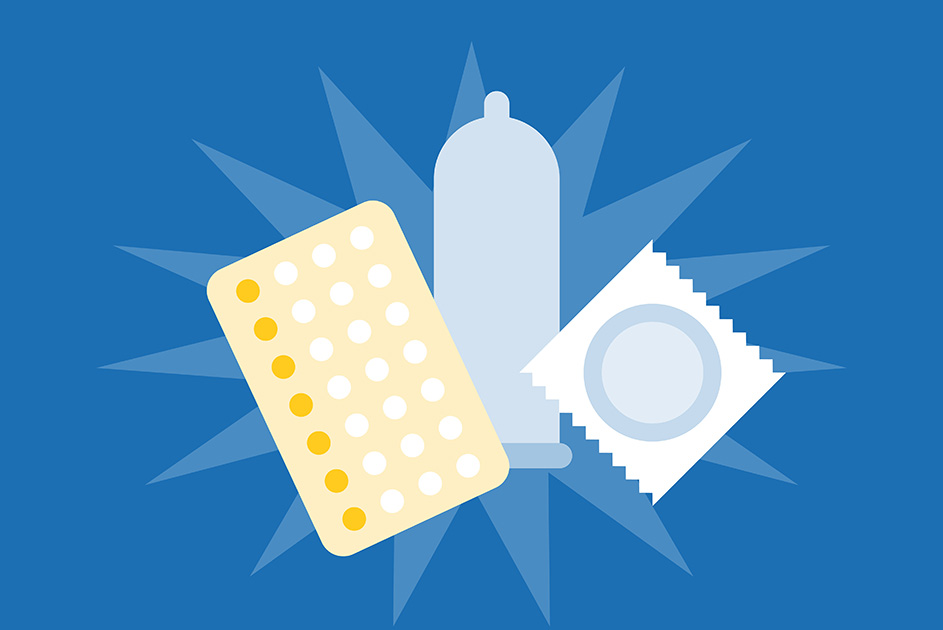
Latex or synthetic condoms can reduce the risk of many STIs and pregnancy when used correctly. Natural membrane condoms such as lambskin may help prevent pregnancy, but the CDC says they should not be used to prevent HIV or other STIs.
Dental dams or cut-open condoms can create a barrier for oral sex on a vulva or anus. Our oral sex guide has more technique ideas, but STI risk still exists during oral sex.
Use a New Condom When the Situation Changes
Use a new condom for each act of vaginal, anal or oral penetration and when switching from one body site to another. Do not reuse condoms.
If a condom breaks or slips, stop and replace it. If pregnancy or HIV exposure is possible, there are time-sensitive options discussed below.
Use Compatible Lubricant
Lubricant can reduce friction and lower the chance of condom breakage. Water-based and silicone-based lubricants are generally compatible with latex condoms. Oil-based products can weaken latex, so check the condom and lubricant instructions before combining them.
Pregnancy Prevention and STI Prevention Are Different
Birth control pills, IUDs, implants, patches and injections can prevent pregnancy, but they do not protect against STIs. Condoms and other barriers can add STI protection even when another contraceptive method is already being used.
If a Condom Breaks or You Have Unprotected Sex
Do not panic, but act promptly because some options are time-sensitive.
Emergency Contraception
Emergency contraception can prevent pregnancy after unprotected sex or contraceptive failure. Certain IUDs can be used within five days, and emergency contraception pills can also work within five days. Levonorgestrel pills such as Plan B work best the sooner they are taken and are less effective later in that five-day window.
A pharmacist, clinician or family-planning provider can help you choose an option based on timing, body weight, medications and availability.
HIV PEP
If the encounter may have exposed you to HIV, post-exposure prophylaxis, or PEP, is an emergency medication regimen that must be started within 72 hours. The sooner it is started, the better. Contact an urgent care clinic, emergency department or other qualified healthcare provider immediately if you think PEP may be appropriate.
STI Testing
There is no single STI testing schedule that fits everyone. The right tests and timing depend on anatomy, the type of sexual contact, symptoms, age, partner history and other risk factors. If you had oral or anal sex, tell the clinician because throat or rectal testing may be relevant.
Protect Your Digital Privacy Too
A one-night stand can create digital risks as well as physical ones. Do not allow photos or videos unless you genuinely want them recorded. If you consent to intimate content, discuss where it will be stored and whether it can be shared. Consent to being recorded is not consent to distribution.
You also do not need to give a new partner your home address, workplace or every social account. Share only what you are comfortable sharing.
Leaving Safely and Clearly
Do Not Feel Obligated to Stay
You can leave immediately after sex, stay for a while or spend the night if both people are comfortable. There is no etiquette rule that overrides your safety or preference.
Be Clear About Future Contact
If you want to see the person again, say so. If you do not, a polite, direct message is kinder than creating false expectations. You do not owe anyone a relationship because you had sex once.
Check In With Yourself Afterwards
People can feel happy, neutral, awkward, attached or regretful after casual sex. None of those reactions automatically means the decision was wrong. Notice how you feel and use that information to make future choices that fit you better.
A Practical One-Night Stand Checklist
- Tell a trusted person where you are going.
- Keep your phone charged and your transportation under your control.
- Stay sober enough to make clear decisions.
- Discuss consent and barriers before sex.
- Bring condoms or other barriers rather than assuming the other person has them.
- Bring compatible lubricant if penetration is likely.
- Use a new condom when changing sex acts or body sites.
- Do not move shared toys between people or body sites without cleaning them or changing the barrier.
- Know that emergency contraception may be available for up to five days after unprotected sex.
- Know that HIV PEP must be started within 72 hours after a possible exposure.
Safety First, Pleasure Second, Pressure Never
A one-night stand does not need to be reckless to be spontaneous. A few practical steps can make it easier to enjoy the experience without handing over control of your body, transportation, sexual health or private information to someone you just met.
The simplest rule is this: if you cannot communicate clearly, leave safely or change your mind, the situation is not ready for sex.
FAQs About One-Night Stand Safety
Yes, especially when you are meeting or leaving with someone you do not know well. Tell a trusted person your location, who you are with and when you expect to check in.
No. Natural membrane condoms can help prevent pregnancy but should not be relied on for HIV or STI prevention. Latex or synthetic condoms are the better choices when STI protection is a goal.
PEP must be started within 72 hours after a possible HIV exposure and works best when started as soon as possible. Seek urgent medical care rather than waiting for symptoms.
Some emergency contraception options can be used within five days after unprotected sex, but sooner is generally better. The best option depends on timing and individual factors, so contact a pharmacist or healthcare provider promptly.
No. You can leave whenever you want. If it feels safe and appropriate, a simple “Thanks, I’m heading out” is enough. You do not owe breakfast, a sleepover or another date.
It can, but do not assume either person wants that. If you would like to meet again, ask directly and let the other person decide without pressure.
 Previous article