
 Sex Toys For Men
  Sex Toys for Women
  Sex Toys for Couples
  Anal toys
  Fit it
 Sex Ed
 Deals
Deals About Us
 Contact Us
 Aug/21/2023
 2256
2256 7 min read
 21 Things That Can Lower Your Sex Drive and What Actually Helps

Our articles may contain affiliate links - if you enjoy our content, support us by shopping through them! We earn a small commission at no extra cost to you. Learn more here.
Our articles may contain affiliate links - if you enjoy our content, support us by shopping through them! We earn a small commission at no extra cost to you. Learn more here.
Sex drive changes. A lower libido can last a few days, appear during stressful periods or persist because of a medical condition, medication, hormonal change or relationship problem. What usually does not help is blaming a single food or assuming desire should stay constant throughout life.
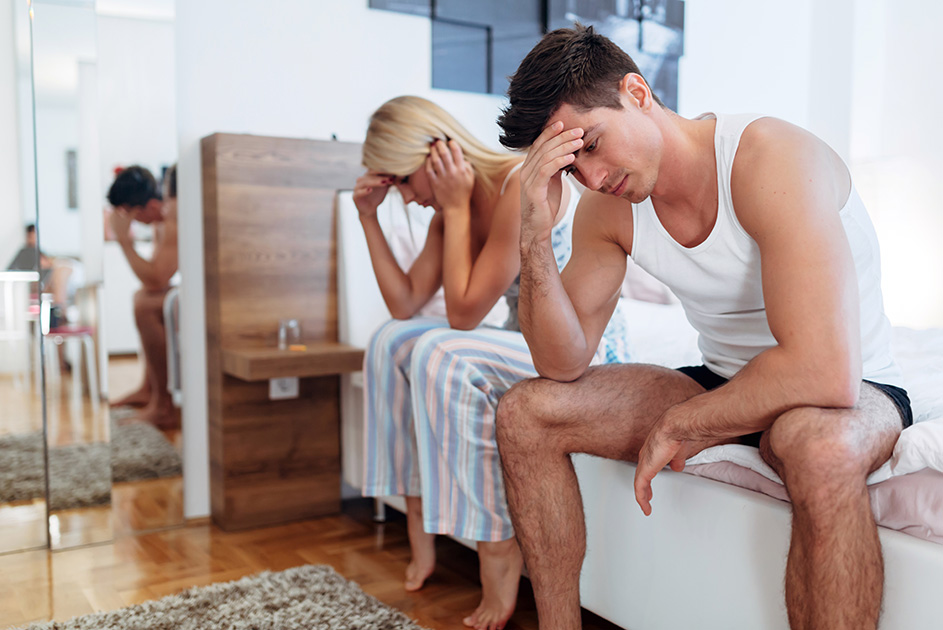
What Can Lower Your Sex Drive?
Cleveland Clinic lists physical health, mental health, stress, relationships, medications, hormones, pregnancy, breastfeeding, menopause, alcohol, smoking and several chronic conditions among the factors that can lower libido. The cause is often a combination rather than one isolated trigger. See the current Cleveland Clinic overview of low libido.
1. Stress
Work pressure, money problems, caregiving, conflict and major life changes can reduce sexual interest. When your attention is consumed by stress, desire may feel much less available even if your relationship is otherwise healthy.
2. Not Getting Enough Sleep
Fatigue can lower interest in sex because arousal competes with the basic need for rest. Sleep problems can also worsen mood and make physical intimacy feel like another task rather than something enjoyable.
3. Depression
Depression can reduce pleasure, energy and sexual interest. Some people also experience sexual side effects from antidepressant medication. If libido changes after starting or adjusting a prescription, talk with the prescribing clinician rather than stopping the medication on your own.
4. Anxiety
Anxiety can interfere with desire by keeping attention focused on worry, performance or body sensations. Sexual anxiety can also create a feedback loop where one difficult experience makes the next encounter feel more stressful.
5. Relationship Conflict
Unresolved resentment, lack of trust, poor communication or feeling emotionally disconnected can all affect desire. Libido is not always an individual medical problem. Sometimes the context of the relationship matters more than hormones.
6. Pain During Sex
If sex hurts, wanting less of it is understandable. Vaginal dryness, pelvic-floor problems, endometriosis, infections, skin conditions and other causes of pain can affect desire. Persistent pain deserves medical evaluation rather than pressure to “relax” or continue.
7. Erectile or Ejaculatory Difficulties
Erectile dysfunction, delayed ejaculation and premature ejaculation can create frustration or anticipatory anxiety that reduces sexual interest. Treating the underlying concern may improve desire indirectly.
8. Some Medications
Antidepressants, antipsychotics, some blood-pressure medications, chemotherapy drugs and other prescriptions can affect libido or sexual function. Medication effects vary by drug and person. Do not change a dose without medical guidance.
9. Hormonal Birth Control
Some people report lower libido while using hormonal contraception. Others notice no change or even feel more comfortable sexually because pregnancy anxiety is reduced. If a change is persistent and bothersome, discuss alternatives with a healthcare professional.
10. Menopause and Perimenopause
Hormonal changes can affect desire, lubrication, comfort and arousal. Vaginal dryness or pain may be especially important because discomfort can reduce interest in sex even when emotional desire remains.
11. Pregnancy, Childbirth and Breastfeeding
Hormonal shifts, fatigue, recovery, body changes, caregiving demands and breastfeeding can all change libido. There is no required timeline for desire to return after childbirth.
12. Low Testosterone
Low testosterone can contribute to low sexual desire in some people with testes, but libido is not determined by one hormone alone. Testing and treatment should be based on symptoms and clinical evaluation, not supplement marketing.
13. Thyroid Problems
An underactive thyroid can contribute to fatigue, mood changes and low libido. Thyroid disease is only one possible explanation, so blood tests should be guided by a clinician when symptoms suggest it.
14. High Prolactin
Elevated prolactin can affect sexual desire and reproductive hormones. It can occur for several reasons, including some medications and medical conditions. Diagnosis requires proper testing.
15. Diabetes
Diabetes can affect blood vessels, nerves, energy levels and sexual function. Managing the condition and addressing specific symptoms such as dryness or erectile difficulties may help.
16. Chronic Pain and Other Long-Term Illness
Chronic pain, heart disease, kidney disease, cancer, neurological conditions and other illnesses can affect desire through fatigue, discomfort, medication effects and emotional stress.
17. Alcohol
A small amount of alcohol may reduce inhibition for some people, but heavier drinking can interfere with arousal, erections, lubrication, orgasm and judgment. Regular heavy use can also affect overall health and relationships.
18. Smoking
Smoking affects cardiovascular health and blood flow and is associated with sexual-function problems. If you are trying to understand a libido change, smoking belongs on the list of relevant health factors.
19. Too Little or Too Much Physical Activity
Movement can support general health, mood and energy, but extremes can work against desire. A very sedentary lifestyle may contribute to poor health, while overtraining, inadequate recovery or low energy availability can also affect hormones and libido.
20. Body Image, Trauma or Sexual Shame
Feeling unsafe, ashamed or disconnected from your body can make sexual interest difficult. Past sexual trauma can also affect desire and arousal in ways that are highly individual. Trauma-informed therapy can help when these experiences are distressing.
21. Your Normal Desire Pattern May Have Changed
Libido naturally varies across life. A period of lower interest is not automatically a disorder. It becomes more important to investigate when the change is persistent, causes distress or feels very different from your usual pattern.
What About Foods That Supposedly Kill Libido?
Lists of “libido-killing foods” often overstate weak or indirect evidence. Garlic, broccoli, cheese and ordinary amounts of sugar are not established direct causes of low libido. Nutrition can affect overall health, but one meal does not switch sexual desire on or off.
Soy Is Not Proven to Lower Testosterone in Men
Older internet claims often say soy lowers testosterone because it contains isoflavones. A 2021 meta-analysis covering 41 clinical studies found no significant effect of soy protein or isoflavone intake on total testosterone, free testosterone or estrogen measures in men. See the PubMed abstract.
Dark Chocolate and Maca Are Not Guaranteed Libido Treatments
Foods and supplements are frequently marketed as aphrodisiacs, but desire is too complex for a single ingredient to reliably fix low libido. Maca and other supplements can also interact with medical conditions or products you take, so avoid treating them as substitutes for medical evaluation.
When Low Libido Is Worth Discussing With a Clinician
Seek medical advice when low desire bothers you, affects your relationship or appears alongside symptoms such as persistent fatigue, pain, major mood changes, erectile difficulties, vaginal dryness, menstrual changes or other health concerns.
A useful evaluation may include your medication list, mental health, relationship context, hormone-related symptoms and relevant medical conditions. Not every person needs blood tests, and there is no single “libido panel” that explains desire for everyone.
Do Not Stop Prescription Medication on Your Own
If you suspect a medication is affecting your sex drive, speak with the prescriber. Sometimes dose changes, timing changes or alternative medications can help, but the safest choice depends on why you take the medication.
We also have a dedicated guide on antidepressants and sexual side effects for readers dealing specifically with that issue.
What Can Help When Desire Has Dropped?
The solution depends on the cause. Better sleep and stress management may help one person, while another needs treatment for pain, a medication review, couples counseling, hormone evaluation or a change in how sex is approached.
Pressure usually makes desire harder, not easier. If you are partnered, talk about affection and intimacy without making every touch a demand for sex. If you want to reconnect sexually, start with activities that feel comfortable rather than chasing a specific frequency.
Spontaneous Desire vs. Responsive Desire
Not everyone experiences desire as a sudden urge that appears before sexual activity begins. Some people more often experience responsive desire, where interest develops after affectionate touch, relaxation or enjoyable stimulation starts. A quieter spontaneous libido does not necessarily mean something is medically wrong.
This distinction can be helpful in long-term relationships because partners may mistake “I do not feel randomly interested right now” for “I never want sex.” Pressure is not the answer. Creating comfortable opportunities for connection and allowing either person to stop if desire does not develop is more useful.
Can Your Menstrual Cycle Affect Libido?
Some people notice changes in desire across the menstrual cycle, but the pattern is not universal. Hormones, mood, pain, bleeding, sleep and relationship context can all affect interest. There is no single day of the cycle when everyone should feel more sexual.
What About Cannabis and Other Recreational Drugs?
Substances can affect people differently depending on dose, frequency, other medications and health conditions. Some people report increased subjective arousal with cannabis, while others experience anxiety, sedation or impaired judgment. Heavy or problematic substance use can interfere with sexual function and relationships.
Avoid using alcohol or drugs as the main strategy for creating desire. Intoxication can also interfere with consent and safer-sex decisions.
Track Patterns Instead of Chasing a Quick Fix
If you are trying to understand a libido change, keep simple notes for a few weeks. Record sleep, stress, pain, medication changes, menstrual or hormonal changes, alcohol use and whether desire is lower in every context or only with a particular partner or situation.
Patterns can make a medical appointment more useful. They can also reveal that libido improves when you are rested, have privacy or feel emotionally connected, which may point toward practical changes rather than supplements.
One Change Does Not Explain Everyone
It is easy to notice one new habit and assume it caused the change, but libido is influenced by many overlapping factors. Look at timing, symptoms and context before blaming a food, supplement or single lifestyle choice.
FAQs About Low Sex Drive
No. Desire naturally varies. It becomes more important to investigate when the change is persistent, distressing or accompanied by other symptoms.
Yes. Stress, anxiety and relationship problems are recognized contributors to low libido. Reducing the stressor or changing how you respond to it may help.
Current clinical evidence does not support that claim. A large meta-analysis found no significant effect of soy or isoflavone intake on testosterone or measured estrogen levels in men.
Some people report lower desire with hormonal contraception, while others notice no negative change. If the timing is clear and the effect bothers you, discuss options with your clinician.
Consider an evaluation when low desire causes distress, affects your relationship, begins suddenly or appears with pain, fatigue, hormonal symptoms or other health changes.
 Previous article