
 Sex Toys For Men
  Sex Toys for Women
  Sex Toys for Couples
  Anal toys
  Fit it
 Sex Ed
 Deals
Deals About Us
 Contact Us
 Jul/21/2023
 4963
4963 8 min read
 Anal Training Guide: How to Start Safely and Progress Gradually
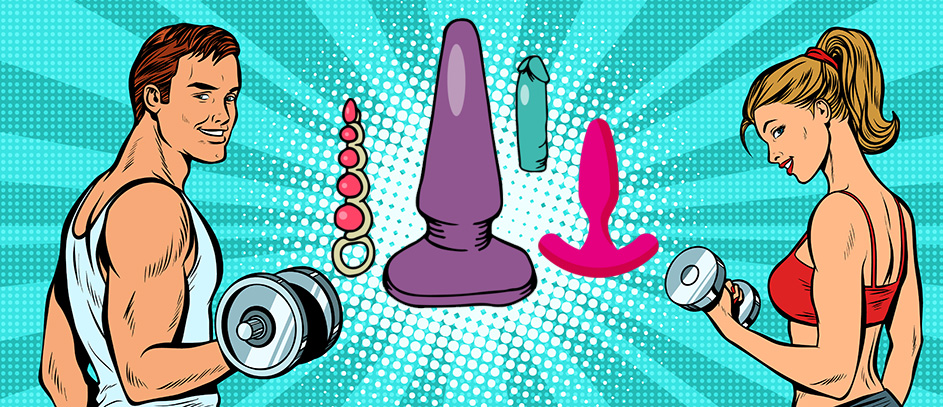

Our articles may contain affiliate links - if you enjoy our content, support us by shopping through them! We earn a small commission at no extra cost to you. Learn more here.
Our articles may contain affiliate links - if you enjoy our content, support us by shopping through them! We earn a small commission at no extra cost to you. Learn more here.
Anal training is the gradual process of learning what types of anal stimulation feel comfortable for your body. It is not a race toward larger toys, deeper penetration or a fixed “advanced” size. Good anal training focuses on relaxation, lubrication, communication, secure toy design and stopping when your body says no.
What Is Anal Training?
Anal training usually means gradually becoming comfortable with anal touch or penetration using a finger, small anal toy or other manufacturer-intended anal product. Some people train because they want easier penetration, while others simply enjoy the sensations.
The goal is not to permanently stretch the anus. The anal sphincter muscles are designed to tighten and relax. Training is mainly about familiarity, arousal and learning how your muscles respond.
Anal Anatomy: Why Slow Matters
The anus has sensitive nerve endings and muscular rings that help maintain continence. The rectal lining is also more delicate than external skin and does not produce its own lubricant.
Cleveland Clinic notes that lubrication, relaxation and gradual penetration reduce discomfort and injury risk. See the current anal-sex safety guidance.
Pain Is a Stop Signal
Mild stretching pressure can feel unfamiliar, but sharp, burning or escalating pain means stop. Do not use numbing products to hide pain because they can make it harder to notice tissue stress or injury.
Do You Need to Train Before Anal Sex?
No. Some people enjoy anal penetration without a separate training routine. Others prefer several solo sessions first. There is no required preparation schedule.
If you are comfortable with fingers or a small toy and can communicate well with a partner, that may be enough. If you need more time, take it.
Step 1: Start With External Touch
You do not need to begin with penetration. Touch around the anus, gentle massage and external vibration can help you learn whether anal stimulation is enjoyable before anything goes inside.
Create the Right Conditions
Choose a private time when you are not rushed. Empty your bowels naturally if you need to, wash the external area with mild soap and water, and skip harsh internal cleaning.
Planned Parenthood notes that routine anal douching is not necessary and can cause irritation when done too often or too aggressively. See the current guidance.
Step 2: Use Plenty of Lubricant
The anus does not self-lubricate. Use enough lubricant to reduce friction and add more whenever movement stops feeling smooth.
Water-based lubricant is broadly compatible with toys and barriers. Silicone-based lubricant lasts longer and is compatible with condoms, but check the manufacturer before using it on silicone toys because some formulations can affect some silicone surfaces.
Step 3: Begin Small
A lubricated finger or a small anal toy gives you control and feedback. Insert only as far as feels comfortable. Breathe normally and pause if your muscles tighten.
There is no universal diameter or insertable length that every beginner should use. Taper, firmness, shape and your own anatomy matter as much as the number on a product page.
Step 4: Use Toys Designed for Anal Use
Any toy placed in the anus needs a secure external retention feature such as a wide flared base, substantial handle or retrieval loop. Planned Parenthood specifically warns that toys without a wide base or other retrieval feature can slip inside and become stuck.
Purpose-made anal toys also tend to use shapes that are easier to control than improvised household objects.
Inspect Before Every Session
Check the toy for cracks, tears, sharp edges, peeling coatings or other damage. Do not use a damaged insertable toy.
Step 5: Let the Muscles Relax
Trying to force the anus open usually makes the muscles tighten more. Slow breathing, arousal and gentle pressure work better than pushing through resistance.
If penetration will not proceed comfortably, stop and return to external stimulation or a smaller size. There is no benefit to “winning” against your muscles.
How Often Should You Practice Anal Training?
There is no evidence-based universal schedule for recreational anal training. You do not need to train daily or follow a calendar to maintain progress.
Practice when you want to, allow any soreness to fully resolve and avoid increasing size simply because a certain number of sessions has passed.
When Should You Size Up?
Only when the current size feels comfortable during insertion, use and removal, and when you genuinely want more fullness. Moving up should be optional.
Increase one variable at a time. A slightly larger diameter with a similar shape is easier to evaluate than jumping to a toy that is simultaneously longer, thicker, firmer and more textured.
Depth Is Different From Width
Training for more width and exploring more depth are not the same thing. Deeper penetration introduces different anatomical considerations and can become uncomfortable quickly if the angle or rigidity is wrong.
If depth is your goal, our anal depth training guide discusses insertable length, rigidity, positioning and stop signals in more detail.
Partnered Anal Training
Consent
The receiving partner controls pace and depth. Agreement to anal play does not mean agreement to bigger toys, faster thrusting or penetration with a penis.
Communication
Use simple instructions such as “slower,” “stay there,” “more lube” and “stop.” The penetrating partner should respond immediately.
Positioning
Choose positions where the receiving partner can control movement. Side-by-side positions, lying on the back or being on top can make it easier to regulate depth than positions where the penetrating partner has most of the leverage.
Barriers and Cross-Contamination
Condoms can reduce STI risk during anal sex. They can also simplify cleanup when used on compatible toys.
Do not move a penis, finger or toy directly from the anus to the vagina without changing the barrier and/or cleaning appropriately. That can transfer bacteria to the vaginal or urinary area.
Cleaning Anal Toys
Follow the manufacturer’s exact cleaning instructions. Waterproofing does not automatically mean a powered toy can be boiled, soaked indefinitely or placed in a dishwasher.
Wash toys after use, dry them fully and store them in a clean location. Our sex toy care guide covers material and cleaning mistakes in more detail.
What About Anal Kegels?
Pelvic-floor exercises can improve awareness and control, but constantly tightening the muscles is not the goal of comfortable anal penetration. Being able to relax the pelvic floor matters too.
If you have pelvic pain, constipation, painful penetration or difficulty relaxing, a pelvic-floor physical therapist can assess whether strengthening, relaxation or another approach is more appropriate.
What About Anilingus?
Anilingus can be pleasurable, but oral-anal contact can transmit infections. Barriers such as dental dams can reduce exposure, especially with new or multiple partners.
Stop Signals You Should Not Ignore
- Sharp or escalating pain.
- Significant numbness.
- Heavy or persistent bleeding.
- A toy becoming stuck or moving beyond the external base.
- Severe abdominal pain, fever, dizziness or feeling faint.
Small spots of blood can occur with minor irritation, but heavy bleeding or bleeding that continues deserves medical attention.
Can Anal Training Make You Permanently Loose?
Ordinary consensual anal play does not automatically make the anus permanently loose. The sphincters normally tighten again after relaxation. Injury, nerve damage, surgery, childbirth and other medical factors can affect continence, but recreational anal play is not synonymous with permanent stretching.
Progress Is Optional
You do not have to move from fingers to plugs, from plugs to larger dildos, or from toys to penetrative sex. If a small toy provides exactly the sensation you want, that is a complete destination.
Anal training should make your body feel more understood, not turn pleasure into an endurance challenge.
Pressure, Depth and Positioning
Pressure
Gentle, steady pressure usually gives the anal sphincters more time to relax than sudden thrusting. If pressure becomes sharp or produces a burning sensation, reduce it rather than waiting for your body to “get used to it.”
Depth
More depth is not automatically more advanced. Shorter insertable lengths can provide plenty of sensation because the anus itself has many nerve endings. Deeper play requires more attention to angle, rigidity and the receiving person’s feedback.
Positioning
The most useful position is one that allows easy communication and control. If the receiving partner cannot adjust angle or stop movement comfortably, choose a different position.
Temperature and Anal Toys
Do not apply extreme heat or cold to anal toys. If a manufacturer specifically allows temperature play with a non-powered glass or metal product, keep the temperature mild and test it on less sensitive skin first.
Powered toys, coated products and products with glued components should not be heated, boiled or frozen unless the manufacturer explicitly says that method is safe.
Why Bigger Is Not a Better Training Goal
Anal training is often marketed as a ladder where each toy must be larger than the last. That framing can encourage people to ignore the size that actually feels best.
Choose a larger diameter only if you enjoy more fullness. If your goal is comfortable partnered penetration, the relevant target is the approximate dimensions you expect to use, not the largest toy you can tolerate.
What If You Lose Progress?
You may feel tighter after a break, during stress or when you are less aroused. That does not mean you failed. Return to a smaller size or more external stimulation and let your body relax again.
You do not need to maintain anal flexibility with frequent penetration. Comfort is contextual and can change from one session to the next.
Cleaning and Barriers Between Body Sites
If the same toy is used by multiple people, use a new compatible barrier between users or clean it according to the manufacturer’s instructions before it changes bodies.
If a toy moves from anal use to vaginal use, clean it thoroughly and/or replace the barrier first. This reduces transfer of rectal bacteria to areas where they can cause infection.
When Anal Training Is Not the Right DIY Project
If you have unexplained rectal bleeding, recent anal or colorectal surgery, significant hemorrhoid symptoms, inflammatory bowel disease flare-ups or persistent anal pain, ask a clinician before continuing penetrative training.
Training is recreational. It should not be used to self-treat medical pain, constipation or pelvic-floor dysfunction without appropriate assessment.
FAQs About Anal Training
There is no standard timeline. Some people become comfortable quickly, while others need multiple sessions. Progress should be based on comfort, not a deadline.
When you want to and when penetration at a similar size feels comfortable. Use lubricant, communicate continuously and stop if pain develops.
Yes, an anal toy needs a secure external retention feature such as a wide flared base, handle or retrieval loop so it cannot disappear into the rectum.
No. Stretching pressure can feel unfamiliar, but sharp, burning or increasing pain is a reason to stop, add lubricant, reduce size or end the session.
It is safer not to numb the area because pain provides important feedback about excess pressure, friction or injury.
 Previous article