
 Sex Toys For Men
  Sex Toys for Women
  Sex Toys for Couples
  Anal toys
  Fit it
 Sex Ed
 Deals
Deals About Us
 Contact Us
 Sep/10/2023
 2607
2607 7 min read
 Clitoral Oral Sex Guide: Technique, Communication and Safety

Our articles may contain affiliate links - if you enjoy our content, support us by shopping through them! We earn a small commission at no extra cost to you. Learn more here.
Our articles may contain affiliate links - if you enjoy our content, support us by shopping through them! We earn a small commission at no extra cost to you. Learn more here.
Clitoral oral sex is not about finding one magic move that works for everyone. The clitoris is highly sensitive, preferences vary enormously and the most reliable technique is a combination of gentle stimulation, consistency and real-time communication.
Clitoris Anatomy: Know What You Are Stimulating
The visible part of the clitoris is only one portion of a larger structure. Cleveland Clinic explains that the external glans sits near the top of the vulva, while internal clitoral tissue extends around the vagina. The clitoris is rich in nerve endings and is the most sensitive part of the vulva.
You can review the anatomy in Cleveland Clinic’s current clitoris guide.
That sensitivity is why more pressure is not automatically better. Many people prefer indirect stimulation around the clitoral hood before direct contact with the glans.
Start With Consent and Comfort
Before oral sex, make sure your partner wants it. Consent should be active, freely given and reversible. If someone seems unsure, stop and check in.
Then make comfort easy. Choose a position that does not strain your neck or your partner’s hips. Pillows can help with support, and good lighting can make anatomy easier to see when you are still learning.
How to Start Clitoral Oral Stimulation
Begin Around the Clitoris
Start with the surrounding vulva, inner thighs, labia and clitoral hood rather than immediately applying strong direct suction. This gives your partner time to become aroused and gives you feedback about what kind of touch they enjoy.
Use a Soft Tongue
A relaxed, broad tongue often feels gentler than a pointed tongue. Try slow strokes, light circles or side-to-side movement and let your partner guide you.
Build Gradually
Increase speed or pressure only when the current stimulation is clearly welcome. A useful rule is to change one variable at a time so you can tell what actually feels better.
What Does “Sucking the Clit” Actually Mean?
Clitoral suction does not require powerful vacuum pressure. In oral sex, it usually means gently drawing the clitoral hood or surrounding tissue between the lips while keeping teeth out of the way.
Start with very light suction. If your partner wants more, increase gradually. Stop if the tissue feels painful, overly sensitive or numb.
Consistency Often Matters More Than Variety
When your partner tells you something feels good, resist the urge to immediately change technique. A common mistake is treating oral sex like a performance that needs constant novelty.
If a particular rhythm is working, stay with it. You can always add variation later.
Ask Simple Questions
“More pressure?” “Slower?” “Stay here?” These questions are more useful than guessing from body language alone. Moaning, movement and breathing can be clues, but they are not substitutes for consent or communication.
Five Techniques to Experiment With
1. Broad Up-and-Down Strokes
Use the flat of your tongue to move over the clitoral hood and surrounding tissue. This can be a comfortable starting point for someone who finds direct contact intense.
2. Side-to-Side Movement
Gentle horizontal movement across the hood can provide steady stimulation without focusing on one tiny spot.
3. Small Circles
Use slow circles around the clitoris, then move closer or farther away depending on feedback.
4. Light Suction Plus Tongue
Combine mild suction with small tongue movements. Keep the lips soft and avoid creating strong vacuum pressure.
5. Oral Stimulation Plus Fingers
If your partner wants internal stimulation too, clean hands and trimmed nails matter. Use lubricant if needed and communicate about pressure and depth. Never assume penetration is required for oral sex to be satisfying.
What to Avoid
Teeth Without Explicit Agreement
The clitoris and surrounding tissue are delicate. Keep teeth away unless your partner specifically asks for a type of gentle biting and you both understand what is comfortable.
Starting Too Intense
Strong suction or fast direct licking can be overwhelming before arousal builds. Start lighter and increase based on feedback.
Changing Technique Right Before Orgasm
If your partner says “keep going,” take that literally. Consistency can be more useful than introducing a new move at the last moment.
Treating Orgasm as the Only Goal
Oral sex does not fail because someone does not orgasm. Pressure to climax can make it harder to relax and enjoy the experience.
Can You Use Lube During Oral Sex?
Yes, but use a product intended for the type of contact involved. A small amount of compatible lubricant can reduce friction around the vulva. If the lubricant may be swallowed, check the product instructions rather than assuming any body lubricant is meant for oral contact.
Avoid numbing products because reduced sensation can make it harder to notice irritation or excessive pressure.
Oral Sex and STI Risk
Oral sex can transmit sexually transmitted infections. Barriers such as dental dams can reduce exposure during oral-vulvar contact. Testing, vaccination where available and communication about symptoms and sexual-health history can also reduce risk.
Do not perform oral sex over visible sores, unexplained lesions or other symptoms that need medical evaluation.
Using Clitoral Toys With Oral Sex
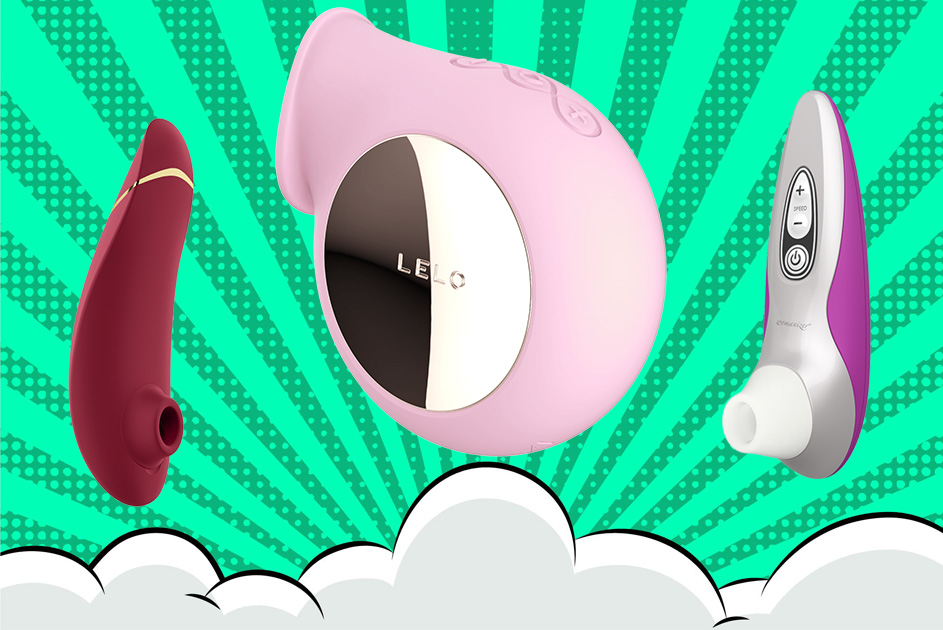
Toys can complement oral stimulation when both partners want them. Clitoral vibrators provide vibration, while some air-pulse devices create pressure-wave sensations without requiring direct tongue contact.
For broader options, see our sex toys for women guide and wand vibrator guide.
Do Not Stack Intensity Automatically
A powerful wand plus direct oral suction can become overwhelming quickly. Start with one source of stimulation and add another only if your partner wants it.
What If Your Partner Is Very Sensitive?
Stay farther from the exposed glans and stimulate through the clitoral hood or surrounding labia. Broad tongue contact, lower pressure and pauses can help.
After orgasm, some people become temporarily too sensitive for direct clitoral stimulation. Move to another area or stop when requested.
What If Your Partner Needs More Intensity?
Increase one element at a time: slightly firmer tongue pressure, faster rhythm, more direct contact or gentle suction. This makes it easier to find the level that works without overshooting it.
Positions That Make Oral Sex Easier
Lying on the back with knees bent is simple, but it is not the only option. Side-lying can reduce neck strain, and a pillow under the hips can change the angle. The receiving partner can also sit near the edge of the bed while the giving partner kneels comfortably.
The best position is the one that lets both people relax and communicate.
Practice Communication, Not a Script
You can memorize every tongue pattern on the internet and still miss what a particular partner likes. The most transferable skill is paying attention and asking.
If you want a broader communication guide, our bedroom communication guide covers ways to talk about desires without turning sex into an interview.
Hygiene Before Oral Sex
You do not need harsh cleansers or scented products on the vulva before oral sex. Ordinary external washing is enough. Douching is unnecessary and can disrupt the vaginal environment.
If either partner has cuts around the mouth, bleeding gums, active cold sores or unexplained genital symptoms, consider postponing oral contact until the issue is evaluated or resolved.
Dental Dams and Other Barriers
A dental dam is a thin barrier placed over the vulva during oral sex. It can reduce skin and fluid exposure while still allowing tongue pressure through the material. Use a new barrier for each session and do not flip the same barrier over during use.
Barrier use can be especially useful with new partners, when STI status is unknown or when either person wants an additional layer of protection.
How to Tell Whether Pressure Is Too Strong
The receiving partner should be able to relax rather than brace against the stimulation. Pulling away, tensing, losing arousal or asking for less pressure are clear reasons to adjust. Do not interpret discomfort as a challenge to “push through.”
Direct clitoral contact can become intense very quickly because the glans contains a high concentration of sensory nerve endings. Indirect contact through the hood can still be highly stimulating.
What About Clitoral Piercings?
If a partner has genital jewelry, ask what contact feels comfortable and avoid catching jewelry with teeth. New or irritated piercings need time to heal, and oral contact may need to wait according to professional aftercare guidance.
Oral Sex Does Not Need to Follow a Fixed Timeline
Some people enjoy a long build-up. Others prefer direct stimulation sooner. There is no correct number of minutes to spend on each technique.
The most useful sequence is responsive: start gently, notice feedback, ask questions and keep doing what works. If your partner changes their mind, change course with them.
FAQs About Clitoral Oral Sex
Some people enjoy direct gentle suction, while others find it too intense. Start indirectly and ask your partner what feels best.
Start very light and increase only if your partner wants more. Pain, numbness or lingering tenderness are signs to stop or reduce intensity.
If your partner says the current stimulation is working, consistency is often helpful. Do not change technique simply because you think climax is approaching.
Yes. Oral sex can transmit several STIs. Barriers, testing and communication about symptoms and sexual-health history can reduce risk.
Yes, if your partner wants it. Start at a low intensity because simultaneous oral stimulation and vibration can become intense quickly.
 Previous article